Regulatory Shifts Prompt Innovation in Digital Gaming Reward Structures
Finley Fischer · Nov 2, 2026
Regulatory Shifts Prompt Innovation in Digital Gaming Reward Structures
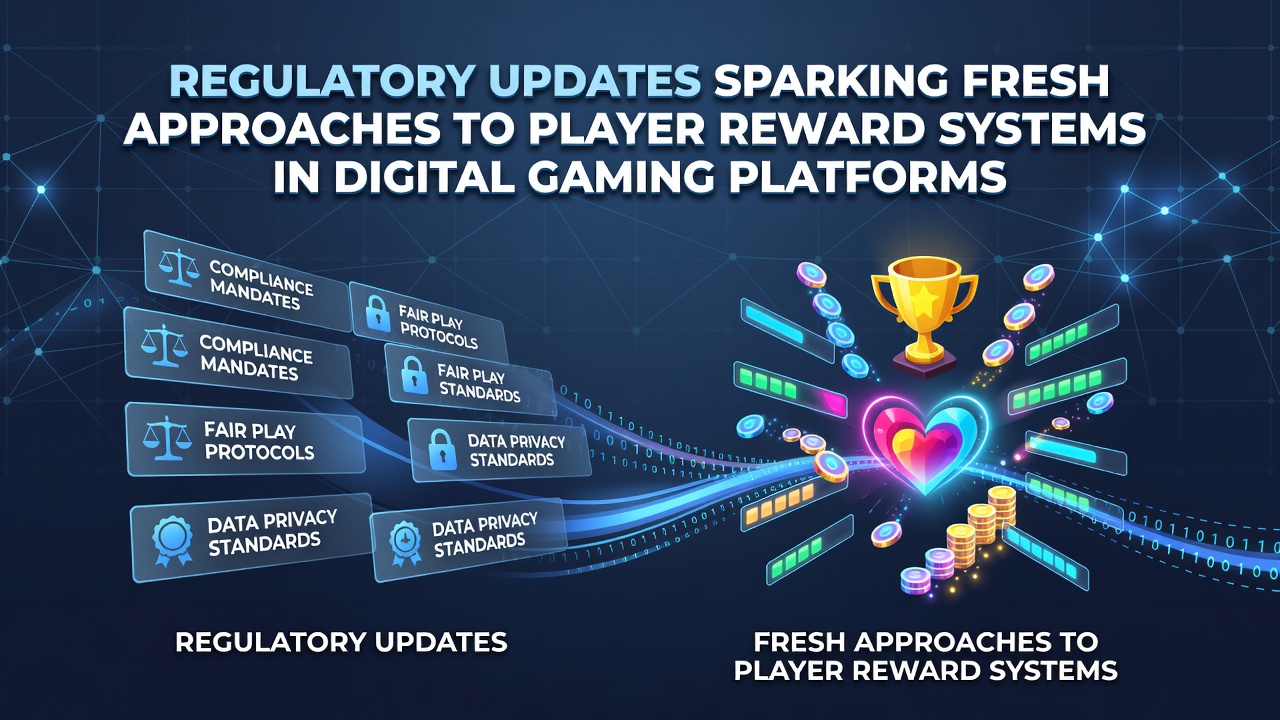
Regulatory bodies across multiple regions have enacted updates that mandate greater transparency in how digital gaming platforms structure player rewards, and these measures have encouraged operators to explore alternative incentive models that align with compliance standards while preserving engagement features.
Transparency Requirements Reshape Bonus Mechanics
Data from industry reports indicate that several jurisdictions now require clear disclosure of odds and terms for reward systems, which has prompted platforms to shift away from opaque loot box mechanics toward systems that emphasize verifiable probabilities and user-controlled redemption options. Observers note that such changes took hold progressively through 2025, setting the stage for further refinements expected in November 2026 when additional reporting mandates begin to apply in select markets.
Platforms have responded by introducing tiered loyalty programs that tie rewards to gameplay duration rather than direct spending thresholds, and researchers at academic institutions have documented corresponding adjustments in user retention metrics following these modifications.
Regional Variations Influence Platform Adaptations
In North America, the Nevada Gaming Control Board has issued guidelines that emphasize audit trails for reward distributions, and this framework has led operators to adopt blockchain-based tracking tools that log every incentive allocation in real time. Meanwhile, Canadian authorities through the Alcohol and Gaming Commission of Ontario have focused on age-verification integration within reward interfaces, resulting in segmented programs that restrict certain promotions to verified adult accounts only.
These regional approaches differ in emphasis yet share a common thread of requiring platforms to demonstrate that rewards do not encourage excessive play patterns, and evidence from compliance filings shows operators testing hybrid models that blend time-based achievements with optional purchase elements.

Technical Adjustments and Data-Driven Designs
Developers have integrated machine learning algorithms that adjust reward frequency based on individual play patterns, and studies from research institutions reveal that these dynamic systems help maintain compliance with spending caps introduced in recent regulations. Figures from platform analytics indicate a measurable increase in non-monetary rewards such as cosmetic items and leaderboard positions, which sidestep direct financial incentives while still sustaining user interest.
Case examples include platforms that replaced randomized prize pools with deterministic progression tracks, and those implementations have coincided with stable or improved session lengths according to aggregated industry data. What's notable is how operators now prioritize modular reward architectures that can be updated quickly when new rules emerge, allowing swift reconfiguration without full system overhauls.
Industry Responses to Upcoming Deadlines
As November 2026 approaches, several platforms have begun piloting reward frameworks that incorporate mandatory cooling-off periods after certain incentive thresholds, and preliminary reports suggest these features reduce dispute volumes related to reward eligibility. Trade associations have compiled best-practice guides that highlight successful transitions, including the use of third-party audits to certify fairness in new systems.
Operators in Europe and Australia have also aligned with parallel updates, creating cross-border consistency in how rewards are presented and tracked, which in turn supports unified reporting tools across multiple jurisdictions.
Conclusion
Regulatory updates continue to drive measurable evolution in how digital gaming platforms design and deliver player rewards, with transparency mandates and regional guidelines converging on models that prioritize verifiable fairness and adaptable structures. Platforms that have implemented these shifts report sustained operational continuity alongside evolving compliance requirements, and ongoing developments through late 2026 will likely accelerate further technical refinements in reward delivery mechanisms.