Decoding Volatility Preferences in New Slot Releases Through Aggregated Player Session Data
Devon Hartmann · Oct 5, 2026
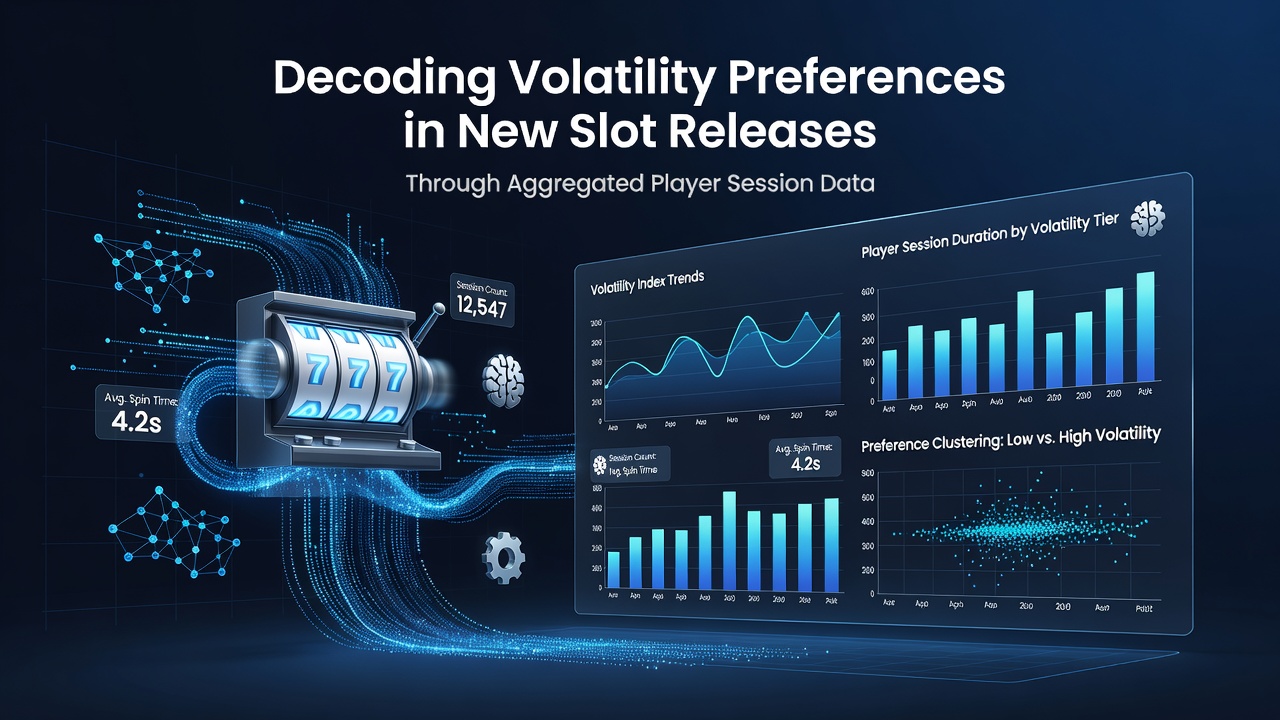
Operators and analysts track player behavior through large-scale session logs that capture spin counts, bet sizes, session durations, and payout interactions across thousands of accounts. These records allow researchers to identify consistent patterns in how different demographic groups respond to high-volatility versus low-volatility titles shortly after launch. Data aggregation removes individual noise while preserving broad trends that emerge within the first weeks of release. Recent compilations covering releases through October 2026 show that players aged 25 to 34 maintain longer average sessions on medium-to-high volatility games when bonus round frequency stays above one activation per 120 spins. In contrast, sessions on low-volatility options tend to end earlier once cumulative returns fall below 85 percent of total wagers placed. Such distinctions appear across multiple jurisdictions where regulators require detailed reporting of game performance metrics.Methods Behind Session Aggregation
Analysts combine raw logs from multiple operators into unified datasets that standardize variables such as time-stamped bet amounts and outcome sequences. They apply clustering algorithms to group sessions by volatility exposure while controlling for factors including device type and time of day. This approach surfaces correlations that single-site records cannot reveal reliably.
One study conducted by researchers at the University of Nevada Reno examined over 4.2 million sessions across 47 new titles launched between January and September 2026. The work demonstrated that sessions exceeding 45 minutes clustered more frequently around games whose theoretical return-to-player percentages exceeded 96 percent when paired with moderate hit frequencies. Shorter sessions, those under 12 minutes, aligned instead with titles offering rapid small payouts regardless of advertised volatility labels.
Regional Patterns Observed in 2026 Data
North American markets display stronger retention on high-volatility releases during evening hours, whereas daytime sessions favor steadier payout structures. European datasets indicate similar splits yet with smaller margins between volatility categories. Australian records collected under state oversight show pronounced preference shifts toward lower volatility options once total session losses surpass 40 percent of starting balances.
These geographic differences tie directly to regulatory reporting requirements that mandate granular session tracking. Operators in multiple regions now feed anonymized logs into shared industry platforms that update weekly, allowing rapid comparison of emerging titles against established benchmarks. The resulting dashboards highlight which volatility profiles sustain engagement beyond the initial 72-hour window after launch.
Key Metrics Driving Preference Identification
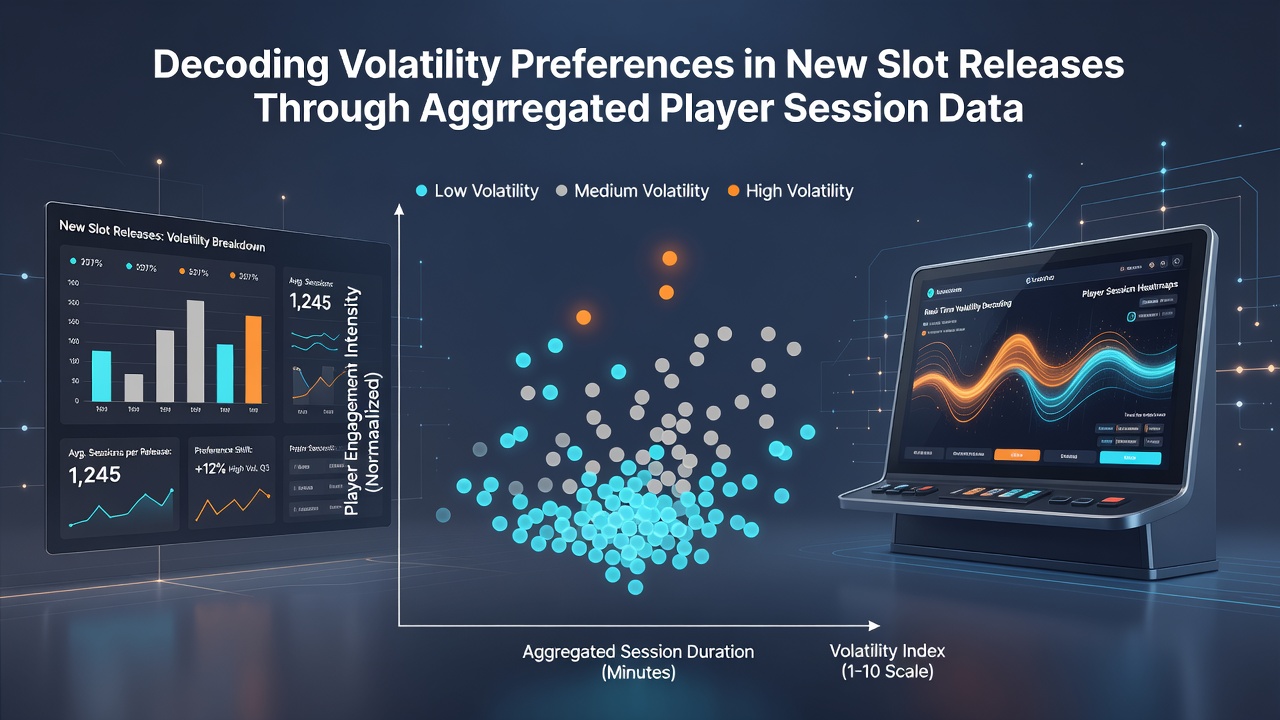
Session length, average bet size progression, and bonus trigger rates serve as primary indicators. Analysts also monitor abandonment points where players exit without completing a bonus feature. Titles that maintain above-average spin counts past the first bonus activation tend to retain high-volatility classifications in subsequent marketing materials.
Figures compiled by the Nevada Gaming Control Board through mid-2026 indicate that games categorized as high volatility achieved median session durations 18 percent longer than low-volatility counterparts when bonus hit rates exceeded industry averages. Conversely, low-volatility games recorded higher repeat login rates within 24 hours when players experienced at least three winning spins in their opening ten attempts.
Additional variables include deposit frequency during active sessions and the ratio of bonus bets to base bets. Aggregated results reveal that players who increase wager sizes after early losses gravitate toward higher volatility options, whereas those who decrease stakes favor steadier mechanics. These behavioral markers appear consistently across datasets spanning North America, parts of Europe, and selected Asian markets.
Implications for Game Development and Compliance
Developers now incorporate session-derived volatility feedback during late-stage testing to adjust reel weights and bonus parameters before full release. Compliance teams review aggregated reports to verify that marketing claims about volatility align with observed player behavior rather than theoretical models alone. Such alignment reduces discrepancies that regulators flag during periodic audits.
Industry associations have begun publishing voluntary guidelines that recommend minimum sample sizes for volatility validation, typically set at 500,000 qualifying sessions per title. These standards help standardize comparisons across different game providers while preserving competitive distinctions in design approaches.
Conclusion
Aggregated player session data continues to refine how operators and regulators classify volatility preferences in new slot releases. The patterns emerging through October 2026 demonstrate clear distinctions in session duration and wager behavior tied to specific volatility profiles. Continued expansion of cross-jurisdictional datasets promises further precision in matching game mechanics with observed player tendencies across diverse markets.